Powering a dash cam
Hardwiring a dash cam or using the 12V socket
12V socket or hardwire kit? How each way of powering a dash cam works, what it means for parking mode and your car battery, and when to ask a fitter.
Every dash cam needs power, and there are two ways to get it: plug the supplied lead into the 12V socket (the old cigarette lighter), or hardwire the camera into the car's fuse box with a hardwire kit. Both work. Which one suits you depends mostly on one question: do you want the camera to record while the car is parked?
Option 1: the 12V socket
Most dash cams come with a cable for the 12V socket or for a USB car charger that plugs into it; each of our product pages lists what is in the box. You run the cable from the camera along the top of the windscreen, tuck it into the headlining, down the side trim of the windscreen pillar and along to the socket.
Advantages
- No tools, no fuses, nothing to remove. Ten minutes and you are recording.
- Easy to move to another car.
- Nothing about the car's electrics changes.
Disadvantages
- It uses the socket, which you may want for a phone charger. A twin socket adapter or a charger with a spare USB port solves this.
- Some cable is usually visible near the socket.
- In most cars the socket switches off with the ignition, so the camera stops when you park. That is fine for recording journeys, but it rules out parking mode.
- In cars where the socket stays live with the ignition off, a camera left plugged in can keep running and slowly drain the battery, because a plain 12V lead has no protection against that.
Check what your socket does
Plug in a phone charger with an indicator light, switch the car off, take the key out or leave the car, and lock it. Wait a minute and look through the window. If the light is out, the socket is switched with the ignition. If it is still on, the socket is permanently live, and you should unplug the dash cam when you leave the car for long periods, or switch to a hardwire kit with a cut-off.
Option 2: hardwiring
A hardwire kit replaces the 12V plug with a cable that connects to the car's fuse box. Most kits have three wires:
- Permanent live: connected to a fuse that has power all the time, even when the car is locked.
- Ignition live (switched): connected to a fuse that only has power when the ignition is on, so the camera knows when you are driving.
- Earth: connected to a bare metal point on the body.
The connection to a fuse is usually made with a fuse tap (sometimes called an add-a-fuse), which plugs into an existing fuse slot and gives you an extra fused output without cutting any of the car's wires.
Advantages
- Parking mode becomes possible. With the permanent live wire, the camera can keep watching when the car is parked and locked. See Dash cam parking mode explained.
- Low-voltage cut-off. Good hardwire kits for dash cams watch the battery voltage and switch the camera off before the battery gets too low to start the car. Many let you choose the cut-off level.
- Tidy. No cable to the 12V socket, which stays free for something else.
Disadvantages
- More work. You need to find the fuse box, identify the right fuses and remove trim panels.
- Risk of mistakes. The wrong fuse or a poor earth can mean the camera does not work, or does not switch off. Avoid fuses for safety systems such as airbags and braking.
- The kit must suit the camera. The plug and the output voltage of the kit have to match the dash cam. Check both before you buy one.
Airbags and cable routing
Whichever power option you choose, the cable runs from the top of the windscreen to the socket or fuse box. Many cars have curtain airbags in the roof edge and in the windscreen pillars, and airbags in the dashboard. Keep cables:
- tucked lightly into the headlining and trim, not forced behind airbag modules,
- clear of the steering wheel, pedals and the gear lever,
- away from any panel marked with an airbag symbol or the letters SRS.
If your car's handbook gives advice on fitting accessories near airbags, follow it. If in doubt, ask a fitter.
What about the camera's own battery?
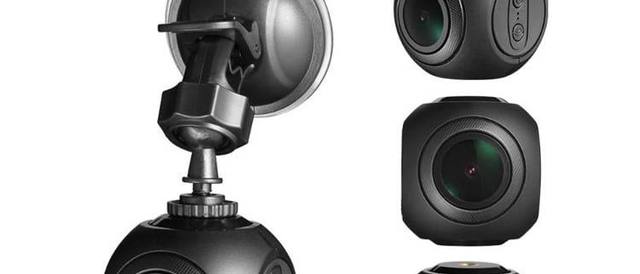
Some dash cams have a small built-in battery or a supercapacitor. Our compact WiFi dash cam, for example, has a 150 mAh battery, according to the supplier. A battery this small is meant to let the camera save the last file when the power is cut, not to run it for hours. Do not count on it for parking mode.
Which should you choose?
| You want | Best option |
|---|---|
| Footage of your journeys, quick to fit | 12V socket |
| To move the camera between cars | 12V socket |
| Recording while the car is parked | Hardwire kit with low-voltage cut-off |
| No visible cable and a free socket | Hardwire kit |
| No risk to the car's wiring | 12V socket |
For most drivers, the 12V socket is the sensible start. If you later decide you want parking mode, a hardwire kit can be added without changing the camera, as long as the kit matches its plug and voltage.
Our products and power
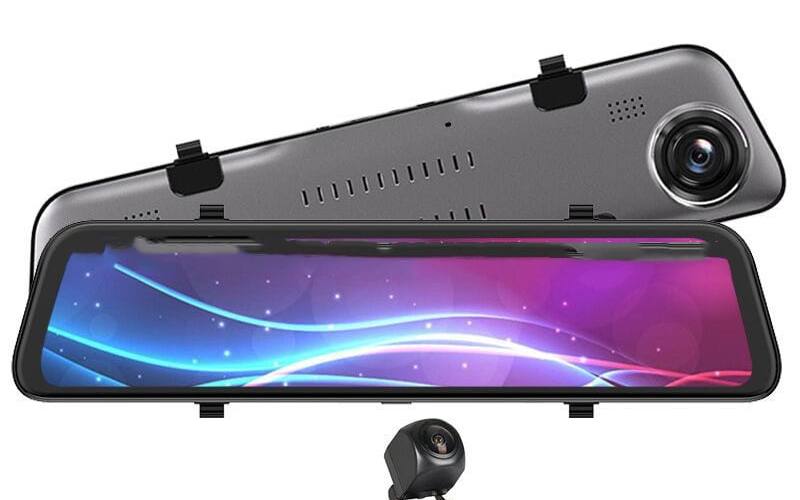
Our dash cams and screens run from the 12V socket. Most come with a 12V cable or car charger; check the box contents on each product page, because the supplier of our compact WiFi dash cam lists only the camera itself. We do not sell hardwire kits. Our larger devices, such as the 12-inch mirror dash cam and the 10.26-inch dash cam screen, list parking monitoring among their features, and that function needs a power supply while the car is parked.
New to dash cams? Start with Are dash cams legal in the UK? for where to mount the camera, then browse our dash cams.
Frequently asked questions
Do I need to hardwire my dash cam?
No. A dash cam works perfectly well from the 12V socket for recording while you drive. Hardwiring is mainly worth it if you want parking mode, or if you want the socket free and no cable showing.
Will a hardwired dash cam drain my car battery?
It can if it has no protection. Hardwire kits made for dash cams usually have a low-voltage cut-off that switches the camera off before the battery gets too low to start the car. Check that the kit you buy has one and set it to suit your battery.
Does the 12V socket stay on when the car is off?
In many cars the socket switches off with the ignition, but in some it stays live. Plug in a phone charger with a light, switch off and lock the car, and look at whether the light stays on. Your handbook may also say.
Can I hardwire a dash cam myself?
Many people do, but it involves the fuse box and trim panels, and many cars have curtain airbags along the roof edge and pillars. If you are not confident, a car accessory fitter can do it.